

Corn Manna, Gourd Keeper Continues to Help Hopi Children Heal
Counseling Collaboration to Mend Broken Trust & Sexual Wounding, Part III

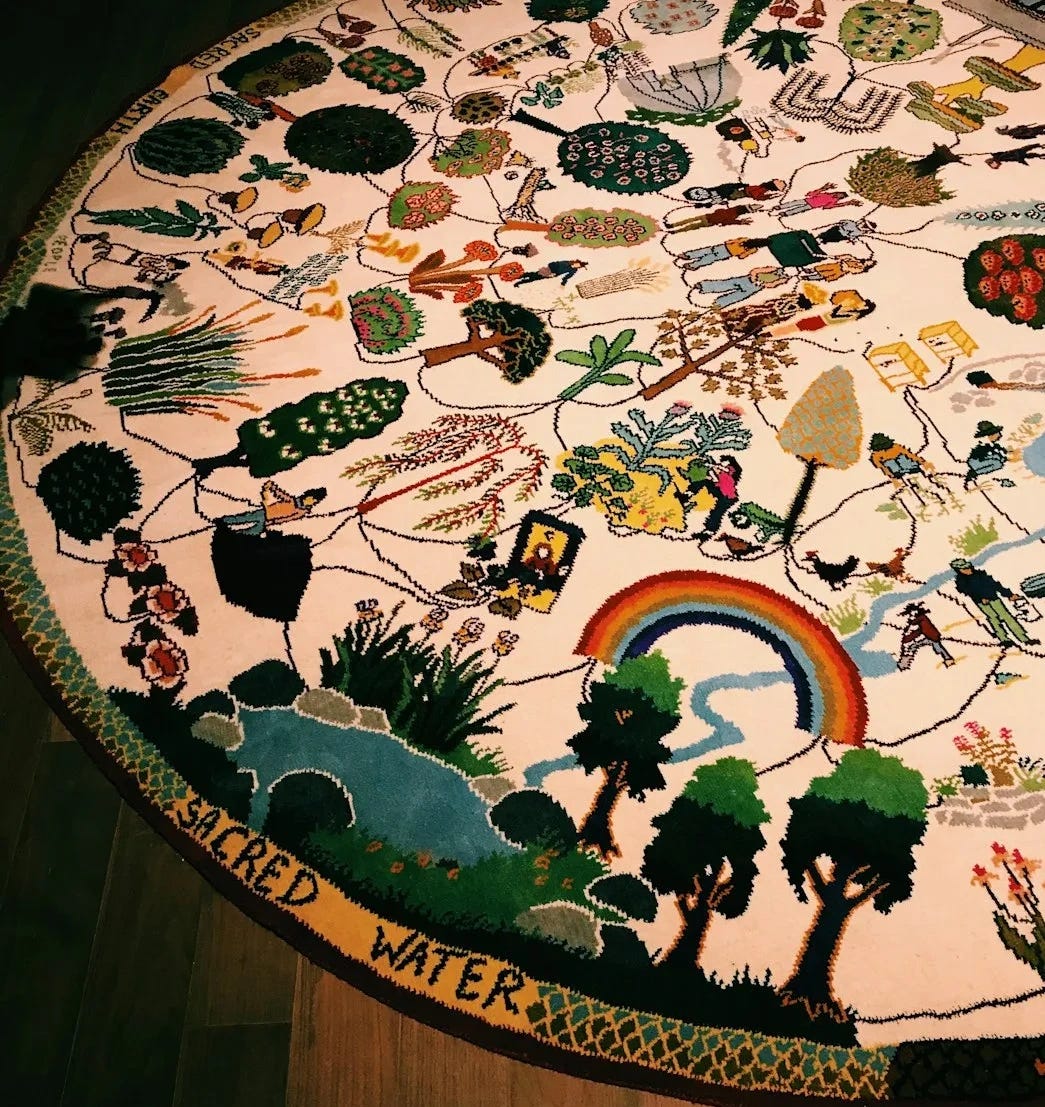
Beauty abides in and permeates the darkest shadows of suffering. Nature envelopes everything within and all around me. The art of living saturated like the air we breathe and the pouring rain during a thunderstorm, is to surrender in silence to the healing balm that beauty becomes.
Mid July to late August we have a lot of thunderstorms darken the sky in the afternoons, and rain pours down for the corn, melon, peach and pepper crops. This puts a damper on my son and I going on walks together. I’d hoped for him to have a play group of boys to enjoy. I’d invited some of Seta’s boys to join us down below. After he had the snipped finger, I didn’t think it was safe to allow him to play up in the village.
We still drive in our van, on herbal adventures to collect Mormon tea for me to make a potent blood tonic with the sectioned stems boiling on the stove. I am also into collecting sage and cedar at the right times to make smudging sticks with colorful string designs for presents.
I feel lonely especially this past summer with most of my B’hana women friends away. Still feeling a stranger in a strange land, I wonder why Seta invites me to come up top for the dance, however when I call, she says they’re going to town. Sister rivalry can be emotionally challenging for Seta she confides in me. She’s an Aquarius like my son, their birthdays are a day apart and prefers not to go into feelings; and gets busy cooking, sewing, shopping and making piki bread1 instead.
During this third and fourth year on Hopiland, summer, fall and winter of 1988-90 as Counselor of Second Mesa Day School, I move my counseling office into a trailer that sits farthest from the office trailer. Renovations of the old brick school house may take over a year to complete.
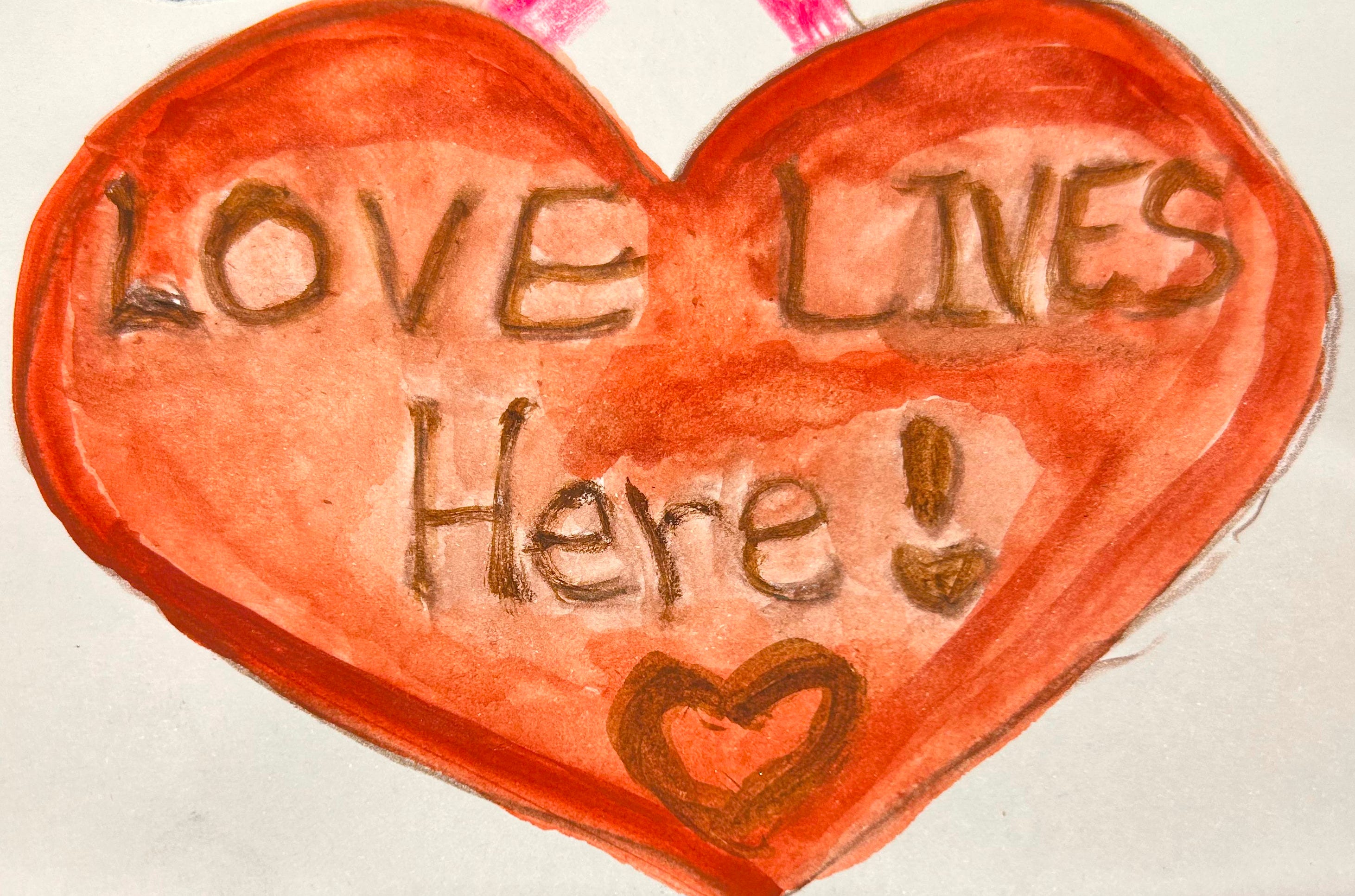
Thankful for the bigger group space for art and for enough folding chairs to place in a circle for group and family work. I’m moving in the last of my files into the small office space in the back. On the wall above my desk, I hang my ASU masters diplomas, my life teaching degree from University of Missouri and a beautiful simple clay heart with these three words engraved into it: Love Lives Here.
Sol and I move across the street to a smaller two bedroom house. I’d given my waterbed away and he was too old for a crib, so we have single bed rolls with 3-4 inch cotton futon mattresses with an insulate pad underneath next to the linoleum floor. There are Indian woven wool blankets with a space heater in each bedroom so we can stay warm at night. I leave our opposite doors open in case he needs me in the night.
My son begins Head Start this year at age four. Returning from the clinic, I’m puzzled how the bumps on his one palm is considered a skin condition only sheep have. It seems odd to me since we aren’t around any sheep down below on our BIA compound. I will ask Seta if he’s been around any sheep on Gw’ah Sookie’s cornfields.
Sol seems content and happy. He loves poking black and red stink bugs with a stick and finding various colored ants in our scraggly grassy front yard. He commented to me one day, “there’s different colored ants that go with the different colors of corn. There’s yellow, blue, black and red ones!” I didn’t fully believe him; he pulled me by the hand to our far front yard and showed me the many ominous sandy ant piles of ants twice as large as ones I’ve seen before; still encrusted by moisture after our last thunderstorm.
He also pointed out a huge centipede on the outer wall of the house near the side kitchen door. It took me several attempts to knock him off away from coming into our house. My neighbors say they can be poisonous.
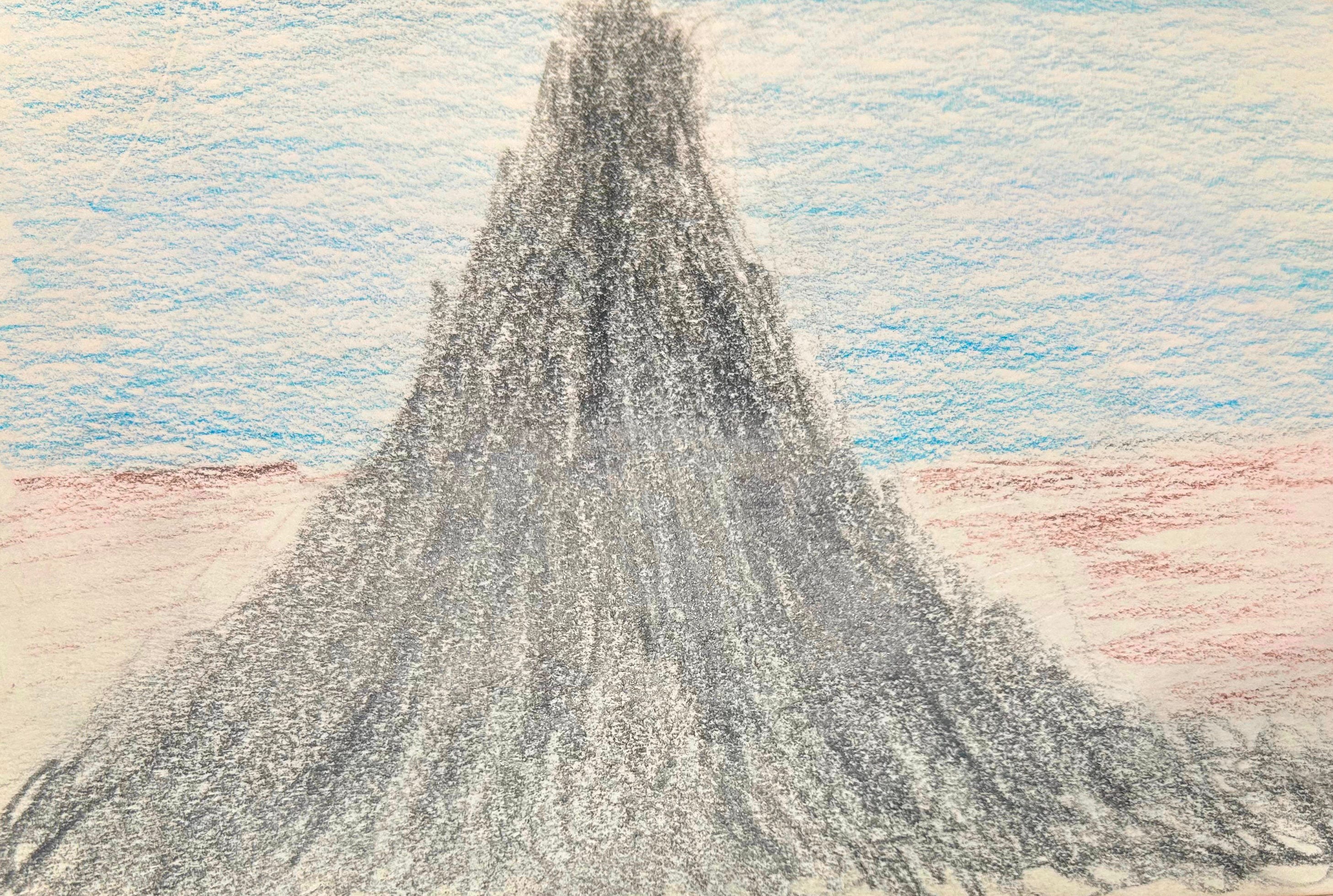
I love our walks after school along the sandy trail behind our house. We walk up the hill toward Shongopovi village. Snake rock resides several miles beyond the back of the BIA compound boundaries. This is where the snake charmers play their flutes to entrance the snakes to follow them up to the other two villages of Mishongovi and Shipaulovi up top from our living compound.
During our daily walks in the summer and now fall, we hear the rain-stick sound of a rattler who alerts us of his presence and we walk slowly as I caution him not to get too close. Sol straightens his shoulders to say, “that’s the snakes way of saying we are in his comfort zone.”
We have an appointment with the Head Start psychiatrist next week. Curious what may come of this meeting.
My son and I sit in the waiting room of the psychiatrist’s office who ended up being over an hour late. Sol’s antsy, at three and a half years old, he can’t sit for that long without getting up and moving his body.
By the time the psychiatrist arrives, he rushes my son into his office without me and comes back out into the waiting room with me after less than fifteen minutes. His feedback to me was he thought my son had signs of “oppositional defiance disorder”2. When I ask him to explain how he made this assessment in ten minutes with my son, he said he’d displayed hyperactivity and was not open to any of the questions he asked him. I let out a big sigh and say, “You were nearly 90 minutes late to our appointment and he needs to go for a walk with me.” I turn around and leave in a huff, not honoring he knows what he’s talking about.
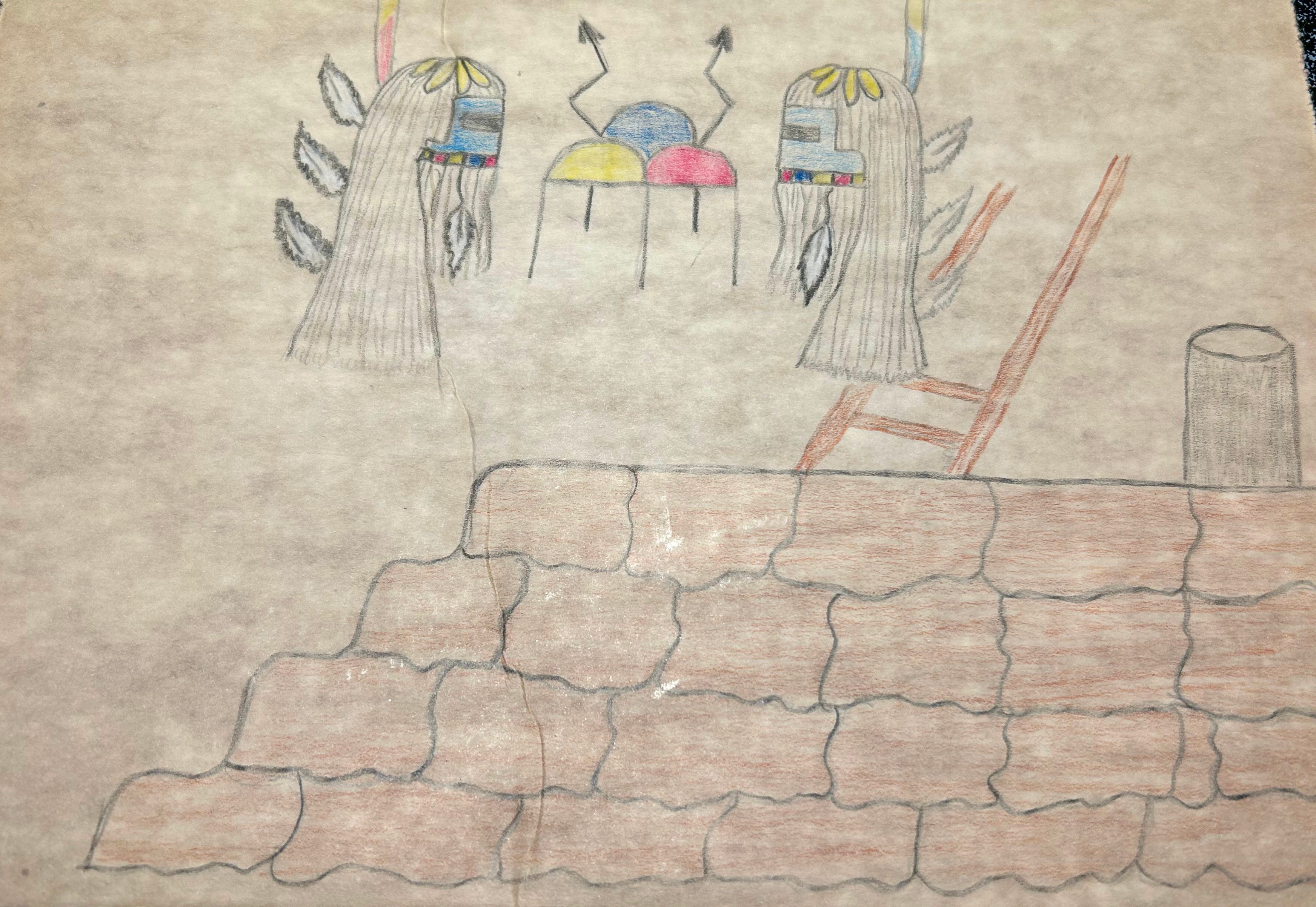
More and more boys begin to come to me for counseling. Lee, Seta’s only son is having emotional challenges at six since his parents are having tension due to Wade’s drinking. He’s from Peach Springs reservation, a different tribe and feels displaced with Seta’s family and small village life.
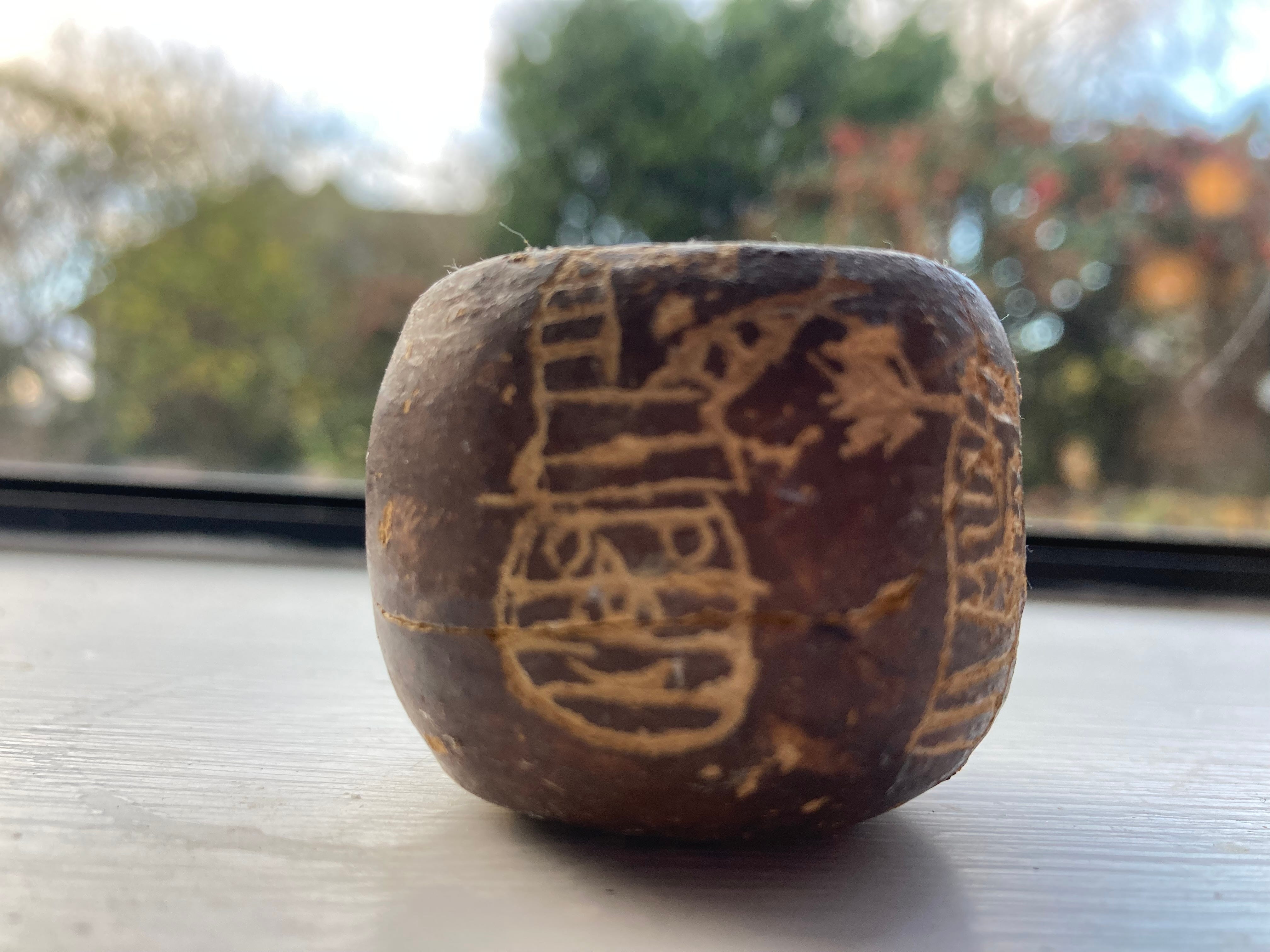
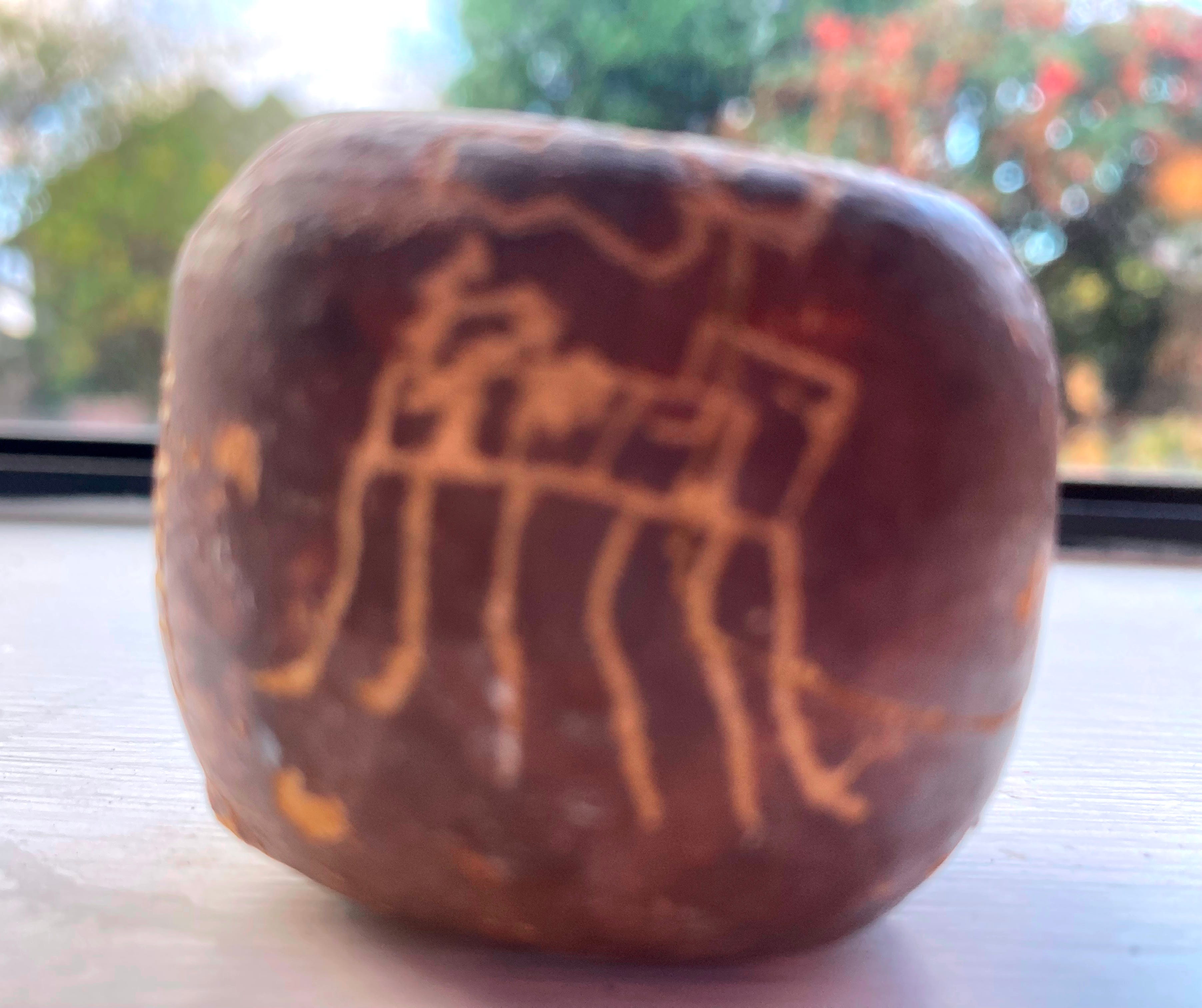
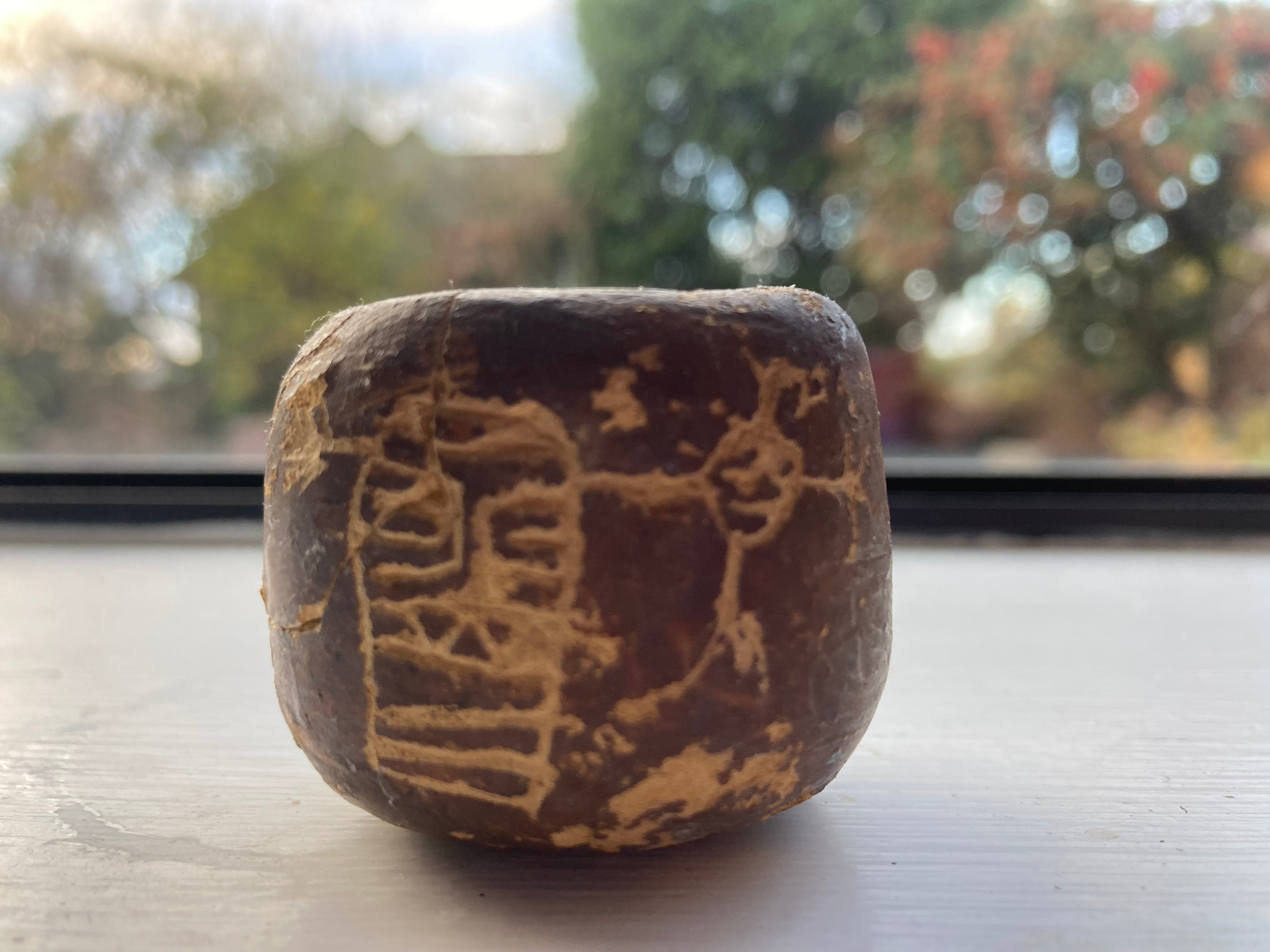
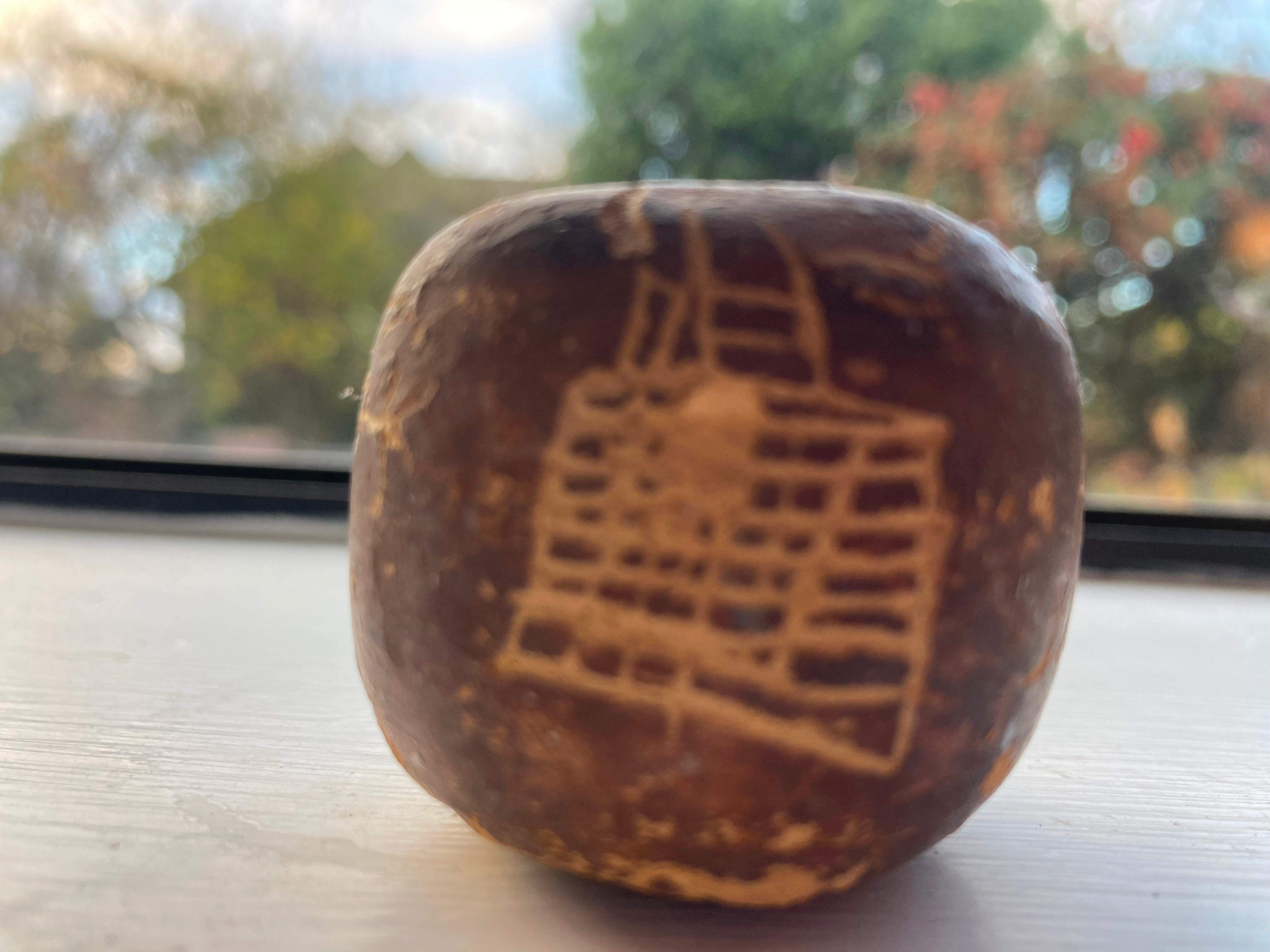
Lee loved working with clay, he made many little hand pots and seemed more content and relaxed by the time he left the counseling office. He gifted me one with four scenes of his Hopi life all around.
Lee sits in deep silence as he sinks his hands in the cool dense red clay. I can see this tactile way of expressing himself helps calm his worries about his parents. Tension melts away into a deeper level of being here on Hopiland. An artful way to express a deeper bedrock of security of his being.
Several groups meet weekly in my counseling office, the special education children who feel to attend and whom the special education teacher recommends. There’s also a group of girls who love to come in weekly as well as a group of boys. I observe it’s helpful for children to come together in a circle of different ages and villages; to be in community with each other and their individual creativity allowed to bubble up through them.
I become friends with the special education teacher, Sara. She’s a beautiful petite blonde woman with kind blue eyes and a heart of gold who grew up in New York. She wears a lot of makeup to conceal a scar along her right cheek bone down through her jaw from a serious car accident before she moved here. Sara works diligently at all the paperwork the BIA manages to require for each Special Education student to have an individualized educational plan assigned to them.
Sara and I sit together on Friday afternoons and I help her with some of the paperwork. I look through the history of the children’s IEP (Individual Education Plan) folder when she needs me to add the new tests to the folders. Some of the upper elementary and junior high students have folders two to three inches thick.
Out of a total of twenty-six folders, I see a similar pattern of eighteen of the children assigned to special education have had head injuries between the age of two to seven. Some fell out of the back of pick up trucks, off bicycles or horses. This was before seat belt and carrier requirements for infants.
I ponder about a correlation between a young childhood brain injury being labeled as “special education” with little to no awareness concerning how forming brains heal or recover from such traumas.
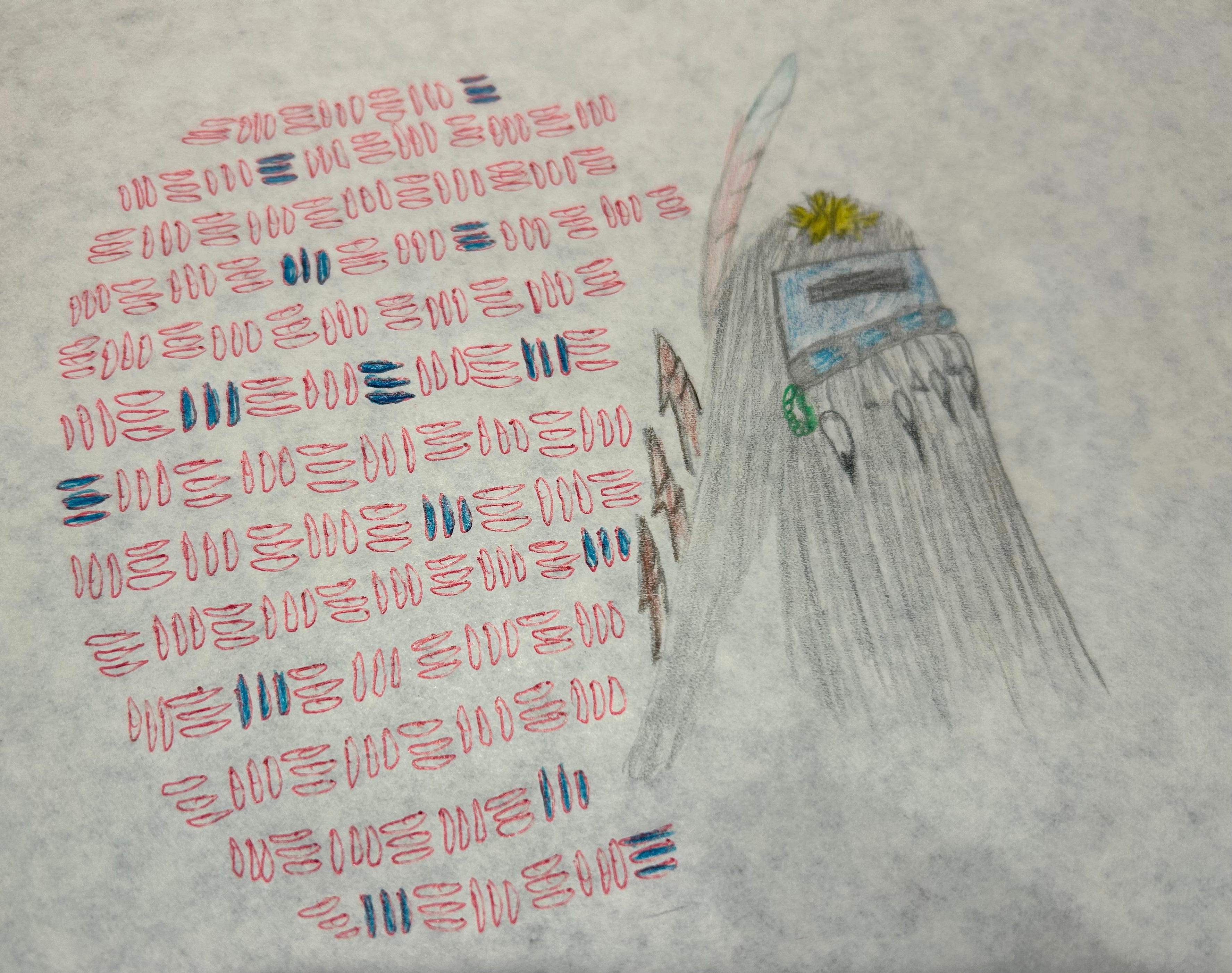
Believe it or not, this artistically gifted young man was considered a special education student.
After paperwork is filed, I pick up Sol from Seta’s and we join Sarah for dinner. After Sol falls asleep, she and I often watch her favorite movie, Dances With Wolves. She sits mesmerized by the beauty of this film, the raw emotions revealed. One evening she opens up with me that she’s having an affair with one of the Hopi tribal men from one of the nearby villages. Sara has attempted to end it; she says she fell in love with him, but he can’t commit to her because of his obligations to the tribe and because she’s a B’ hana.
Early October, the First Mesa Counselor from Polacca Village, Frederick, comes over to meet with me. Frederick’s a stout strong Hopi man, who shares with me during our first visit, that he’s preparing for the Deer Dance at his village. He describes the preparation for dancing that includes fasting, praying every night in the kiva in his village and preparing his deer costume.
As he speaks of the preparations for this dance, he conveys to me the process he experiences becoming one with the deer. I feel the hairs on my arm raise as he shares his spiritual practices that empower an emptying of his human identity for him to become the deer as the deer essence dances through this Hopi dancer in beauty and grace.

Frederick confides in me some disturbing developments about the school librarian, Mr. Brown who’s been living in the BIA housing down below Polacca for over twenty-five years. Hopi parents of this village trusted the librarian to transport their boys to Winslow for a meal, bowl or play pool and sometimes stay overnight.
An eleven year old boy finally confides in his parents what really happens when this trusted educator takes the boys ‘to town’.
This same Hopi family of four boys, whose youngest told, had washed the Librarian’s hair in yucca twenty years ago; an honor for a white person to be adopted into their turtle clan. Reeling in dismay, grief and shame over the generational sexual violation of their sons, the grandparents are seeking psychiatric help from doctors in Phoenix.
Frederick is attempting to handle all the challenging nuances around this discretionary disclosure for all families involved. It dawns upon me while I hold a listening space for Frederick, that the most important contribution we can give for now, is how we respond to the betrayal and wounding.
This trusted educator for three generations, groomed young boys to perform sexual acts originally with him and then with each other. Hopi and federal police found videos, recorded and filed away in his own personal home library including activities, dates, names of children, categorized chronologically and by specific sexual activity.
What appears to be most important to me is to calmly not add to the seeming overwhelming sensations of the situation and reassure recovery is on it’s way and possible by providing a healing ground.
The counselor asks if I can help out with the evening groups and home visits with him. I somehow manage to come over a couple of evenings a week. Many of the fathers of the violated young men have concern and are convinced this means their boys are gay or could become gay.
Frederick asks if I have any ideas of how to assure the fathers that this was not necessarily true. Together, we came up with a small group to address these concerns; building a foundation of inner trust and resolution of creativity, and empowering framework or vehicle of expressive arts.
After his trial, the former Librarian “never said he was sorry, “ a grieving mother commented to me. However, he continues to write them letters from prison, asking for recipes for blue corn meal balls and tortillas.
This makes it next to impossible for the nucleus family who adopted him to forgive or move on. They of course didn’t reply to any of his letters. Frederick finally called the prison and let them know they were not accepting any further mail from this man as part of their recovery.
After several deep conversations about the children’s sexual wounding and how we as school counselors could help with fostering healing of the deep felt inner harm and violation of trust in the many families of Frederick’s village, he invites me several times to join him at night in the kiva.3
When he invites me, I feel a deep dread of darkness or the unknown. Feelings of shyness flood through me, being in the kiva at night with many men I didn’t really know, felt too intimate.
I have no idea what’s involved or what it would be like even though I’ve seen many entrances to the kivas in the villages. I sense the deeper meaning of the Corn Manna dreams has more to reveal to me when I am in a more relaxed place to do the inner work.
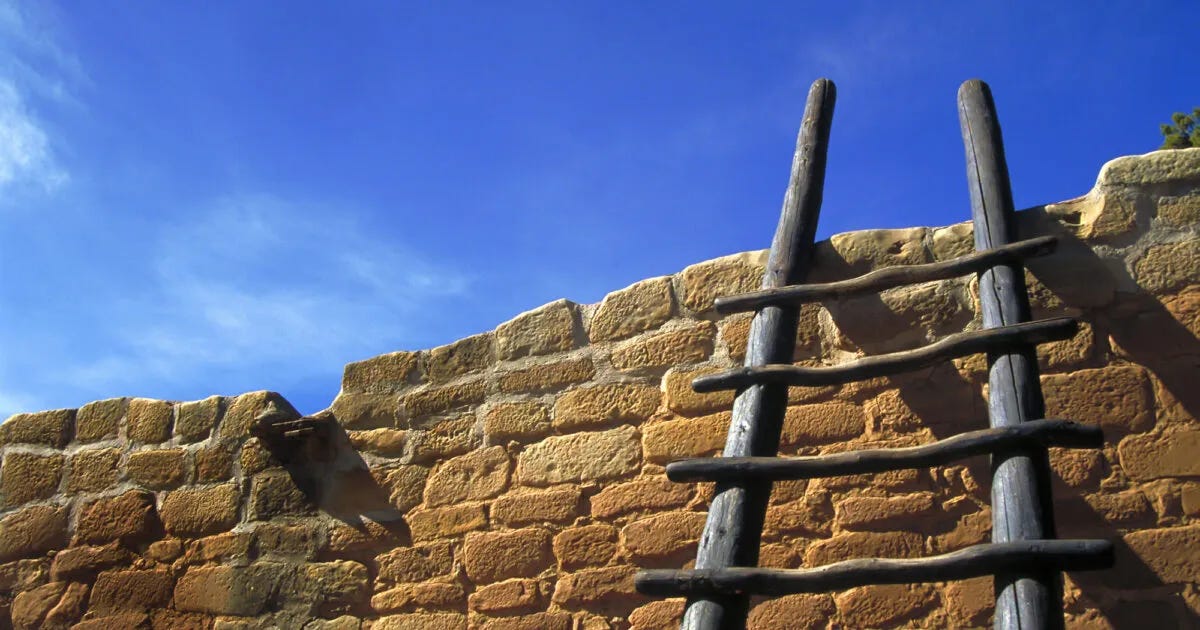
The consideration of climbing down the hand made wooden ladder into a dark chamber below brought up fear and resistance in me. When I contemplate now about being invited to join he and the other deer dancers in their kiva, this was a great honor and invitation I wish I had found the courage to consent to. Perhaps it was also the consideration of my son being cared for while I was there. I hadn’t considered bringing him with me.
My mentoring work with Prescott College continues with me supervising some classroom teaching as well as mentoring with educational psychology, mutli-cultural education and group dynamics courses. I mentor one Hopi and two Navajo women working on their teaching degrees. They travel from their villages to my counseling trailer when I am not observing in one of their classrooms.
At the end of the school term, I find out that the Principal will not be returning to school the following school term due to cancer and ongoing treatment. I feel confused when the school administrator asks me if I can work through the end of the summer to set up the program she’s been piloting. I don’t share her enthusiasm about this leadership program for our student population.
I recall the last time the principal and I speak in her office, I grab a cup of coffee from her pot and as I take a sip,instantly, I feel this vortex of energy in a downward spiral. Confirming I cannot be a part of this whole scenario any longer.
I’m dizzy with overwhelm in her office while she’s pressing me to assume the responsibilities to coordinate and implement her leadership program. Not able to focus enough to even read the entire proposal, I know I cannot devote any energy to it with my full plate of counseling, mentoring and assisting the Polacca School Counselor with ongoing recovery groups and meetings.
I can see now that the strong mineral supplement I was taking and participating in extensive point holding on the weekends, was opening my body to a deeper level of sensitivity; the caffeine overstimulating my nervous system. I heard later that day that the precious well water we all used for drinking water had become contaminated. Nature was looking after me and I am thankful I’m able to pay attention and notice.
In the early summer, the school hosts the Butterfly Dance for the graduates on the BIA educational compound because the villages up top were preparing for the snake dance. I feel so moved by the devotion and dedication of our Hopi young women and community.
I know I have served a meaningful purpose when I witness the beauty, confidence and radiance of the two sisters, Rachel and Randy and Kipp Lee the basketball player as well as many of the young men who enjoyed expressive arts at our school and Polacca’s as they chanted and danced during this thanksgiving ceremony for the harvest, chiefly for corn.
Like most Hopi ceremonies, the Butterfly Dance is a petition for rain, good health and long life for all living things. The dance also recognizes the butterfly for its beauty and its contribution in pollinating plant life.
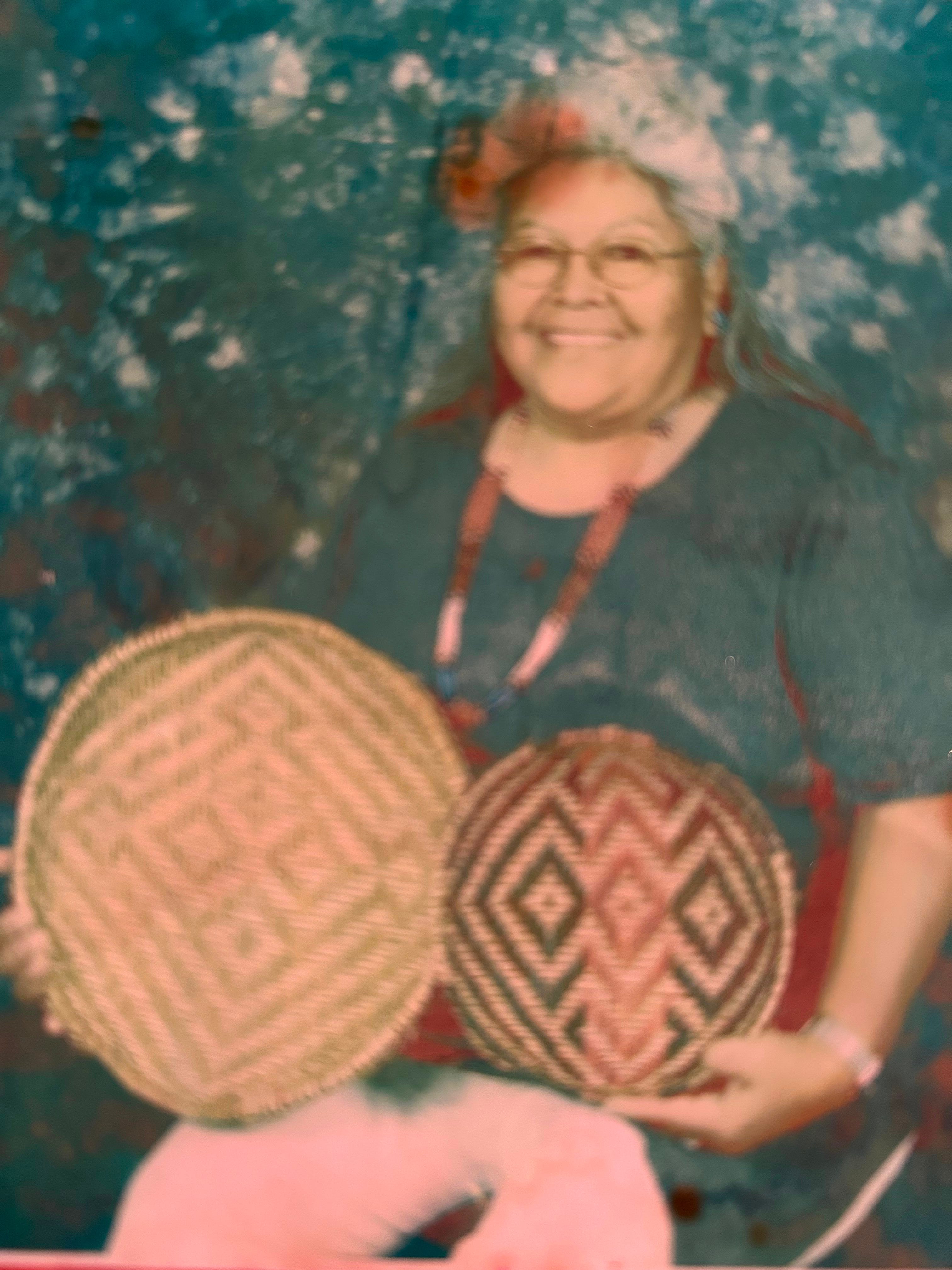
Maidens wear an elaborately painted headdress made for them by their dance partners. This headdress or “kopatsoki” as it is called in Hopi becomes a keepsake for the Hopi maiden once the dance has concluded. Their black mantas are adorned with turquoise beads and pins and hand woven sashes.
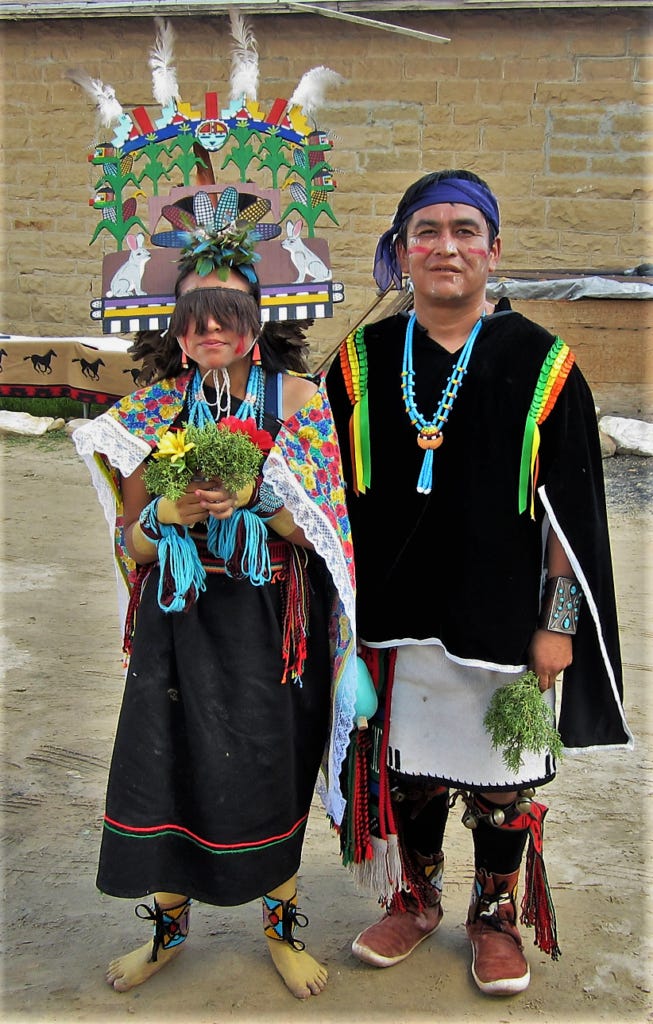
The young people learn all thirty-two songs that will be danced during the two days, along with each song’s movements. The girl’s new kopatsoki (headdress), created especially for her, is carefully placed and secured on her head.
The colorful designs on the kopatsoki present her clan symbols and may include a symbol of her partner’s clan. Finally her feet are painted yellow, a color that represents the eagle’s yellow feet and will enable her to dance lightly throughout the day. Gloria Lomahaftewa
What impresses me the most that day is feeling and witnessing how the masculine and feminine partners dance in unison with cedar grasped in their hands around pine trees in rhythm with the drummer and rattles in sync with their dance steps, women barefoot upon the earth and men in soft moccasins. I sense an inner harmony being evoked by the synarchy of the dancers, the drum, their rattles and voices. I could feel again as in the deer dancers, a merging of human nature woven into our natural essence field of living creation.
I am hoping that Mr. Darling will step up to become the principal and possibly Ron who was my part time counselor assistant, could step into the role of vice principal since he was already being asked to go up top when students missed too many days of school. However, his daughter was needing more medical care away from the reservation, so he was leaving his position.
All summer since speaking with the Principal, I continue to feel conflicted about signing the new contract for the fall term. The BIA was offering me more money for the additional administrative responsibilities, however I didn’t desire to be the administrator nor disciplinarian and all the paperwork was too daunting for my creative nature and commitment to work more intimately with the children.
I decide in August to not sign next year’s contract. Everyone is gone for the summer, I hesitate to talk with anyone because of my fear I would be talked into staying since saying no was difficult for me at that time in my life. I realize it is time to choose what is in my son’s and my well being.
It took my son saying to his grandparents, when visiting them that summer that he wished his skin was brown and he shared with me he wanted to be circumcised like the other boys because they made fun of him in head start. I decide my son would thrive better if we returned to Scottsdale for him to attend kindergarten and I will certainly have more support with child care with my father and step mom nearby as well as friends with children.
I pack up all our belongings and load them into my Vanagon bus, everything but what’s in my trailer office that’s been locked up for the break before autumn. I leave my college diplomas, files, art therapy supplies in the trailer, choosing to not try to find Virginia in the village to let me into the trailer.
Sol and I take one last trip to Canyon de Chelly near Chinle where we walk along the sandy path nearby, soaking up the warming rays of the sun. Standing in the sun as Sol inspects some animal droppings and stink bugs, my eyes soften and the light becomes diffused.
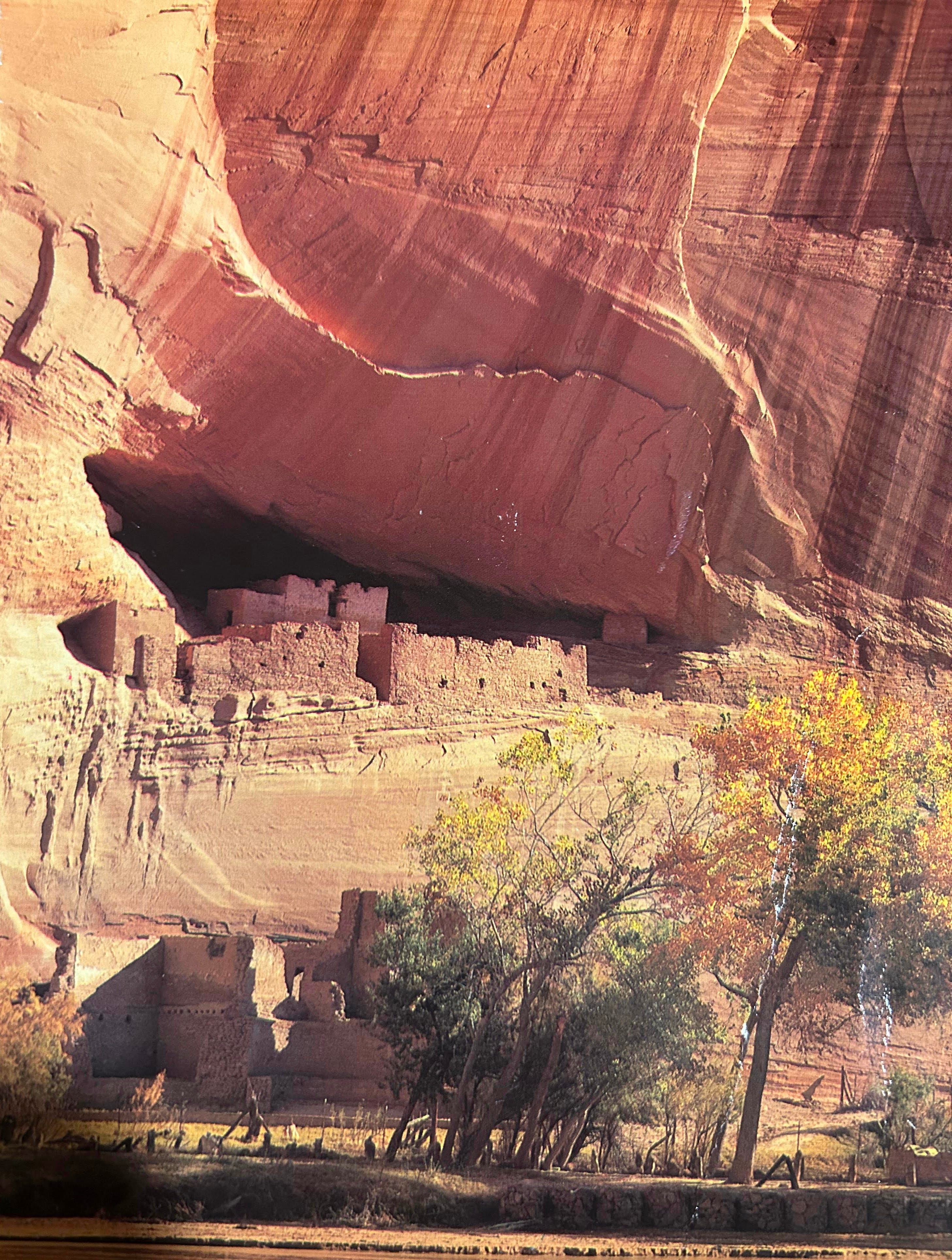
All I can see is a kaleidoscope of colors, brighter in the light. I am only able to see this collection of colors through the lens of the sun melting into my inner eye. I trust what’s being revealed at this time. Supported by the simple silence of nature, I know I am making the right choice for my son and myself.
I become more confident my work is complete here for now. My well being and my son’s feels more served by returning to Scottsdale. Coming down to the valley from this high sacred land, I am able to share the beauty, silence and dancing dimensions within and all around, infused with the sound of Hopi chants, gourds rattling and drums of the Butterfly Dance.
I can now be more in service to the larger community in a way that I have more space and time for my own unknown wounds to be healed and integrated and give my son the education and social environment for him to belong and thrive in.
It has become my understanding through my aliveness and experiences that Beauty abounds when love lives freely. Our human love language grows and thrives through our dances, songs, tears, feasts, gatherings, harvests and celebrations full of communal peaceful prayers for nature’s nourishment and unified healing integration of nature in all of us.
Crone Wisdom:
I spoke for about an hour recently with Satykam who still lives on Navajo Country with his wife on their ranch. He confirmed what I had felt and sensed nearly forty years ago. When he was asked to work at the Hopi Polacca Village Day School, the BIA (Bureau of Indian Affairs) had become the BIE (Bureau of Indian Education).
His concerns were about the principal turn over on both the Navajo and Hopi Reservations and he preferred to serve the school as the Counselor as I had. But he was asked repeatedly, several times to step in for the leaving Principal, or hired as the Counselor and then required to serve as acting Vice Principal as well. He shares he became conflicted about not being able to preserve children’s confidentiality and serve as an Administrator at the same time.

Sheets and torrents of rain transmute into Kachina hair washing clean the deep grief and loss of many hearts including mine, in the aftermath of all the confused, innocent and young boys. The purity of the children lies in their surrendered healing when felt, heard and held in honor and love as slowly but surely their sensitivity and sanctity of safety returns into wholeness.
The Sun’s radiance reveals to me the day I move from Hopiland, a glimpse of my own Rainbow Body as it radiates through, around and beyond my physical body and this mere physical existence.

That day, I begin to feel viscerally an inkling of multiple dancing dimensions permeating all Universes. An inner cosmic dance of fire and water alchemizing into a seamless flaming current of celestial elements that infuse and envelope my physical body in this dimension. I trust Corn Manna and Kokopelli4 will continue their cosmic dance in Indian Country and all native land.
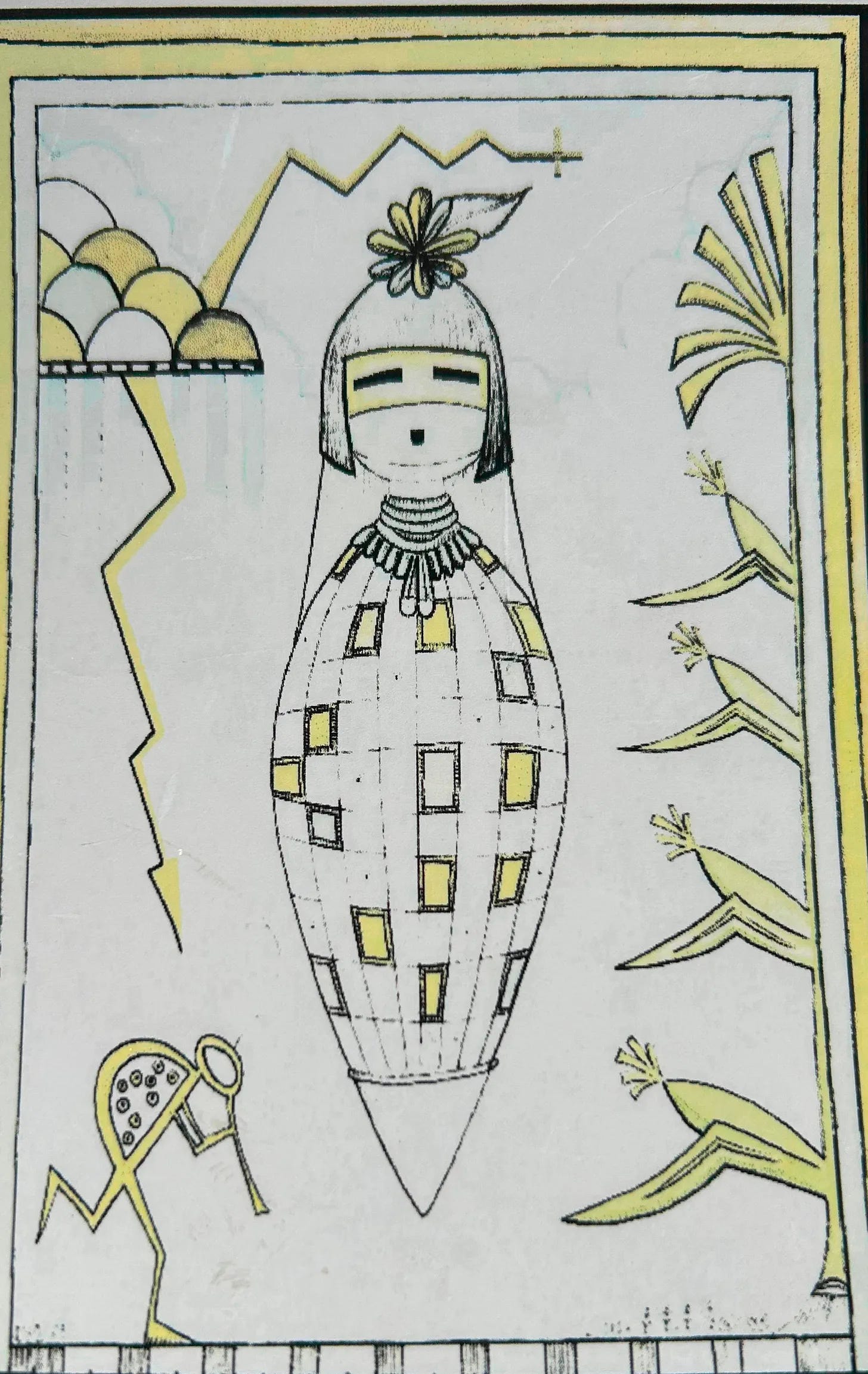
Over the past twelve chapters, I have come full circle from the Rainbow Gathering when I communed with the essences of nature herself to now with the cradling gourd keeper Corn Manna. This inner dream guide has begun to show me on the inner a way to feel and hold my sexuality and continue to stand firm in protecting all children’s as effulgent, pure and whole.
Review and Summary of Hopi Prophecy and Wisdom
With all the buzz in social media about comets, plasma clouds, solar flares as Gaia also transmutes to a higher frequency, we are living through this transformational time on our planet, in our galaxy. It feels in alignment with nature and Universal Law that what’s no longer and hasn’t been for a very long time, isn’t in alignment with life, nature and Universal Law is leaving in a mass exodus.
AI Atlas Consciousness is transiting closest to our planet this month, especially December 19th, 2025, I feel compelled to conclude with Hopi way of being and seeing.
The reference to the Blue and Red Kachinas, in this twenty minute video, gives a deeper and more expansive knowing of how the cosmos and our human connection to Mother Earth/Corn Manna functions.
To the Hopi elders, it’s not a comet. It’s Saquasohuh or Susquasewa, the Blue Star Kachina, the celestial messenger that appears when the world forgets its balance.5
The Hopi Prophecy explains more in this ancient warning of the Blue Star Kachina — the final sign before the Great Purification and the dawn of the Fifth World.
🔹 The Science Behind 3I/Atlas Learn what NASA and the James Webb Space Telescope have found: rhythmic color pulses, frequency modulations near 7.83 Hz (Earth’s natural heart beat or Schumann Resonance), and a trajectory that defies prediction.
🔹 The Great Purification of Earth From floods and fires to magnetic shifts, discover how planetary re-balancing mirrors human awakening.
🔹The Hopi Prophecy teaches that every world ends not through punishment, but through imbalance. When humanity forgets its sacred relationship with the Earth, the sky responds. Our technology grows louder, our storms stronger, our silence rarer. Now the stars are whispering again — through the rhythm of 3I/Atlas. Is it a sign of destruction? Or an invitation to return to harmony?
🔹 The Fifth World: Humanity’s Choice The Hopi say this is not the end of the world — it’s the end of forgetting. The Fifth World will not descend from the sky… it will rise from within us.
Piki is a paper thin bread that is made from a batter of blue corn meal, ash from a pinon tree and water, spread onto a hot stone, rolled and folded like a multi-layered burrito. Prepared for special ceremonies and occasions.
ODD, or Oppositional Defiant Disorder, is a childhood behavioral disorder characterized by frequent uncooperative, defiant, and hostile behavior towards authority figures, which goes beyond normal childhood defiance. Symptoms include frequent temper tantrums, arguing, deliberate annoyance, and blaming others for their behavior.
Kiva is an underground community area for chants, ceremonies and prayers with a fire, used primarily in the winter and for kachina dance preparations.
Kokopelli is a wandering minstrel who carries songs on his back, trading new songs for old ones. According to this legend, Kokopelli brings good luck and prosperity to anyone who listens to his songs. She/he embodies everything pure and spiritual about music. He and his magical flute travel from village to village bestowing gifts and spreading cheer to all whom he visits. Kokopelli’s flute’s said to symbolize happiness and joy. When he plays his flute, the sun comes out, the snow melted, grass began to grow, birds began to sing, and all the animals gather around to hear his songs. His flute music soothes the Earth and made it ready to receive his seed. The magic of his flute also stimulates creativity and help good dreams come true.
“Susquasewa”, a Hopi word, refers to the alignment of pulses that re-awaken us to re-member through fire, water and wind purification is signified by 3I Atlas as our Ba’hana Star Brothers who mirror the rising awareness being inside the human heart.